

Skip to content
A small-business salon workspace with a booking screen, card reader, and appointment book
Illustrated example: bookings, payments and the front desk need to work together.

A practical second opinion

Put the real work on the table.

Bring the vendor quote, the subscription bill or the process everyone works around. We look at what customers experience and what your team has to do to keep things moving.

We explain the choices, the likely disruption and the questions to settle before you spend. Working tools can stay.

One path at a time

Follow the work from hello to follow-up.

Take one booking, order, or inquiry and follow it through the business. Where does someone wait, copy a detail, or ask the same question again?

  1. They askWhere does the first question arrive?

  2. You answerCan the customer tell what to do next?

  3. The work movesWho gets the request, and what do they do with it?

  4. You can see itWhere is the record when someone needs it?

A decision with a reason

Keep, connect, or change.

A change has to be worth its cost and the time your team will spend learning it. We weigh both before recommending one.

Keep it

A working tool with a clear owner may be worth leaving alone. That conclusion can save a business from an expensive project with no real job.

Connect it

Your booking tool may already share the details another system needs. Check what each tool allows, who controls the accounts, and how staff will use the connection.

Change it

If the same problem keeps coming back, agree on one change and how to test it. A new system comes after we understand the work.

Clarity in public

Give people a path they can understand.

ClearHelp is a public Little Fight website built around people’s situations and locations. It shows the same practical idea: let a person begin with the question they actually have.

See the ClearHelp case study +
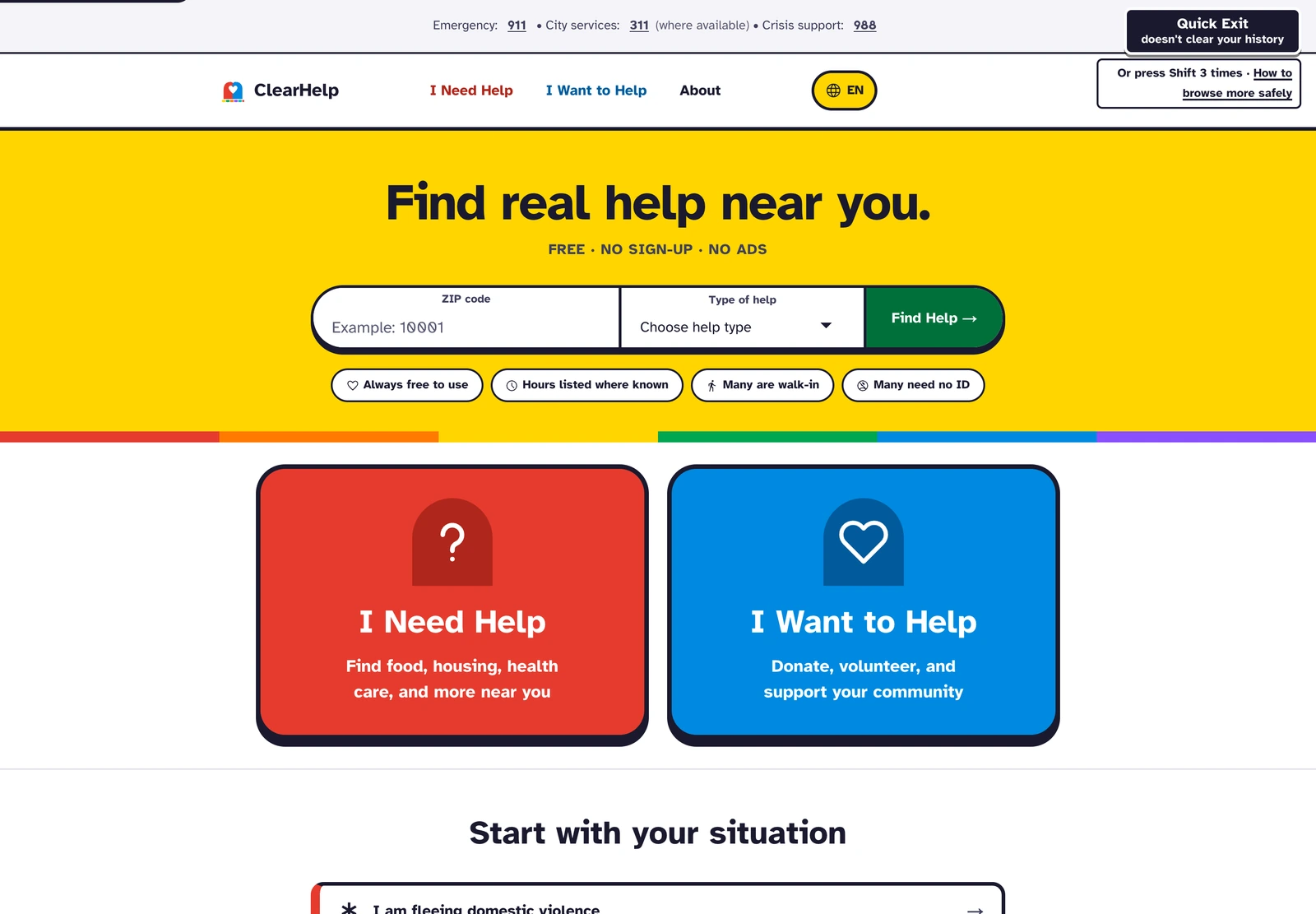
ClearHelp website shown on desktop
Selected Little Fight website work.

After the conversation

A decision should outlive the meeting.

You leave with the recommendation and its reasons: what to change, what it depends on, and what can wait. Put it in front of your team or a vendor and everyone can discuss the same decision.

Problem
The customer or work issue behind the decision.
Evidence
The tool, bill, quote, or path you reviewed.
Decision
What changes now and what stays put.
Owner
Who can approve, maintain, and revisit it.

Consulting questions

Why is my business not showing on Google Maps?

A missing Google Maps listing needs a check of its verification status, business details, and any duplicate or restricted profiles.

We trace the public listing, the website, and the facts you can verify, then identify what needs correcting. Google controls the result, while the business should control its account and records.

Send the listing that worries you and the public details it should show.

Does my small business website need a rebuild or a few focused fixes?

Start with repairs when the site still fits your business and the main tools work well. A rebuild may make sense when the system cannot support the pages, tools, or changes you need.

We review what a customer sees, what your team maintains, and what is worth preserving before recommending repairs or a new structure.

Show us one service page and the path a customer takes to contact you.

Should my business website have pages in more than one language?

Another language earns its place when it matches the people you serve and someone can approve the words your customers rely on.

We start with the decision pages, then plan how every version stays current as services, hours, policies, and booking details change.

Tell us the languages customers use and the pages that must stay accurate.

How should a small business respond to a public review without sounding scripted?

A good review reply thanks the person for something specific, answers a useful question, and keeps private details off the public page.

We help shape a short response that sounds like your business and gives future customers a clear sense of how you handle people.

Send one review that feels difficult to answer well.

When does a small business need an email signup on its website?

An email signup works when customers have a real reason to hear from you and someone can keep the list useful.

We decide what the signup promises, where it belongs, and whether a direct contact path would serve the business better right now.

Tell us what update customers would want to receive.

What should we fix first?

Start with what customers see, what the business pays for, and where work repeatedly gets stuck.

Rank the issues by customer impact, business risk, and the effort needed to check them. A short review can separate an urgent broken path from an annoyance that can wait.

Show us a task that keeps getting stuck.

Which tools should we keep?

Write down what each tool does, who uses it, and what it costs over a full year. Keep the ones that earn their place in a normal working week.

Compare the tool with the work it actually supports, not the sales pitch that brought it in. Keep what fits, connect what has a clear job, and leave a working system alone when change adds risk.

Bring the tools your team uses in a normal week.

Are we paying twice for the same thing?

Compare your software bills with what the team actually uses, but check which records each tool holds before you cancel it.

Look for two tools doing one job, unused seats, or charges no one can explain. Save the records you need and test the next setup before you end a service.

Bring recent bills and the person who knows what each tool does.

Do we need a second opinion?

A second opinion checks whether your tools still fit the business, the bills, and the way customers reach you.

Show us the task, the tools it uses, and the proposed change. We compare what you would gain with the cost and disruption. Sometimes one small fix is enough.

Bring the decision you are about to make and the information behind it.

Does this vendor quote fit our business?

Compare the quote with the job you need done and the tools your team already uses. Check what is included, what costs extra, who owns the result, and what your team will have to change.

Ask what problem the quote solves, what changes for staff and customers, who owns the result, and what happens to your existing data. A proposal should answer those questions plainly.

Send the quote with the business problem it is meant to solve.

How do we prepare for a technology review?

Bring your services, account owners, renewal dates, current symptoms, and the business times when change would be risky.

A recent bill and one real example of the problem help us see where to start. Keep passwords and private customer records out of the first message.

Start with the customer-facing tool you worry about most.

Talk to Little Fight.

Send a website link, an error message, or a few lines about the work. We’ll take a free first look and explain what we can help with.

9am–9pm Eastern. After hours, leave a message.